Excellence at the Heart of the Forest
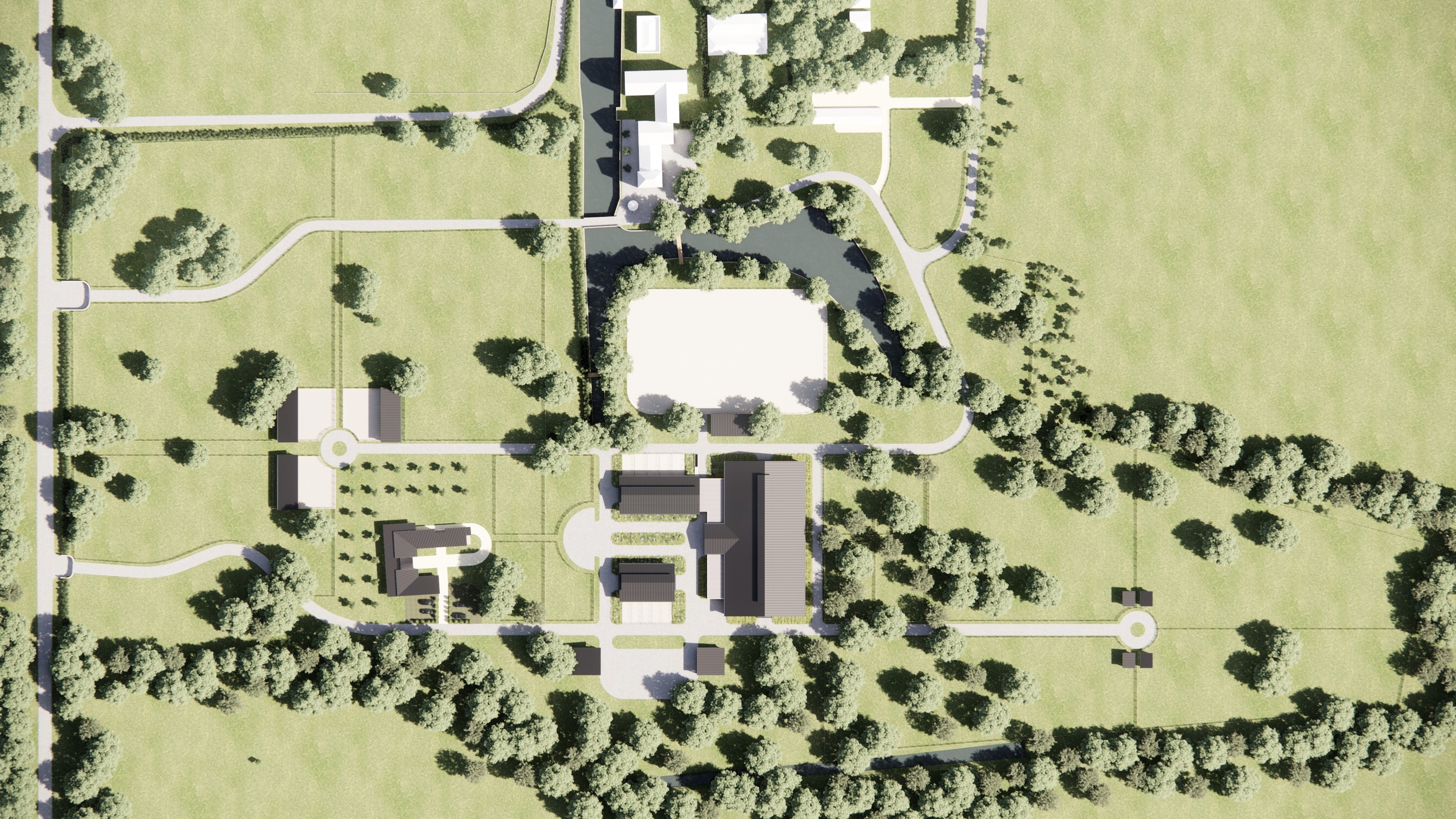
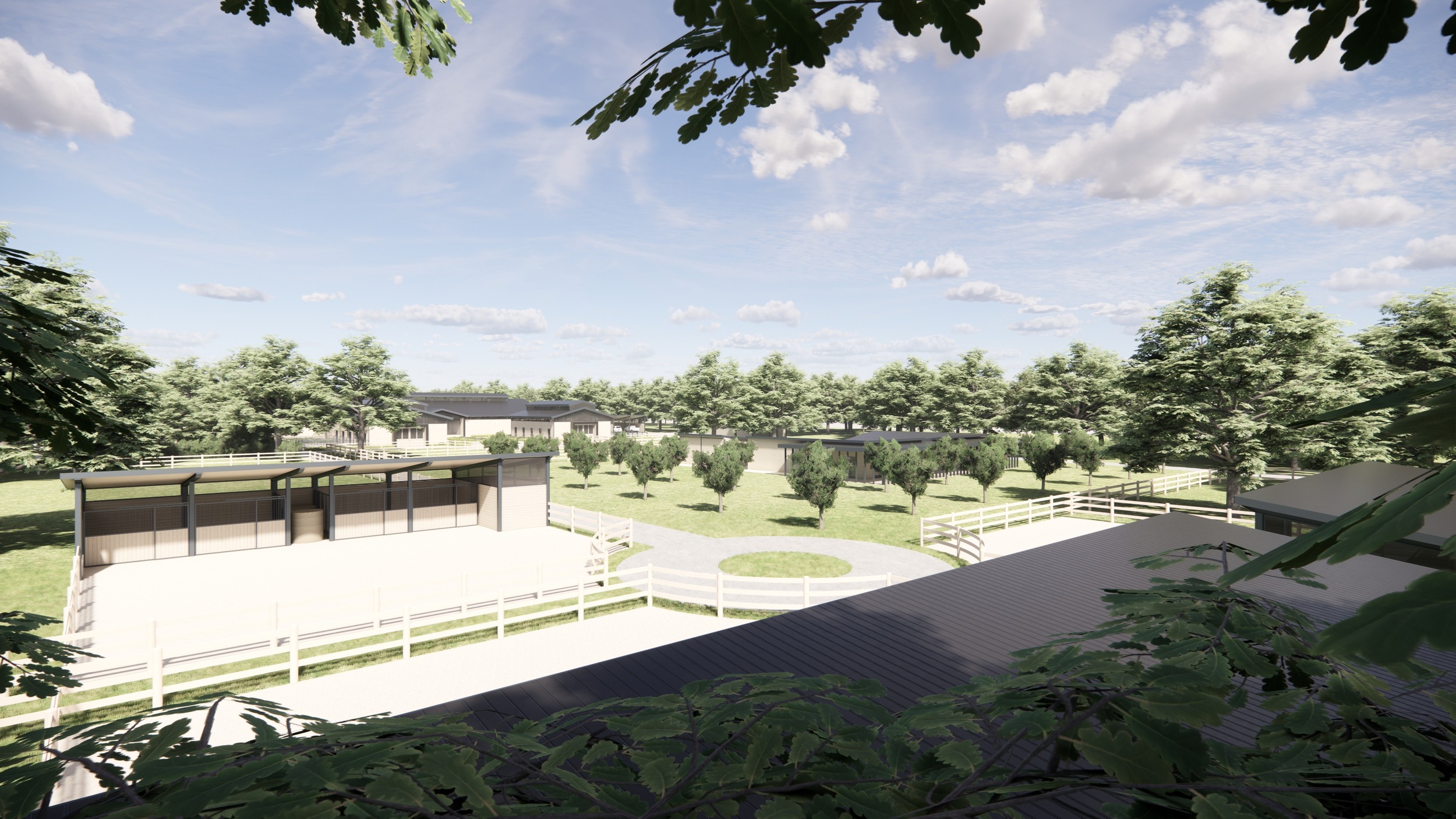
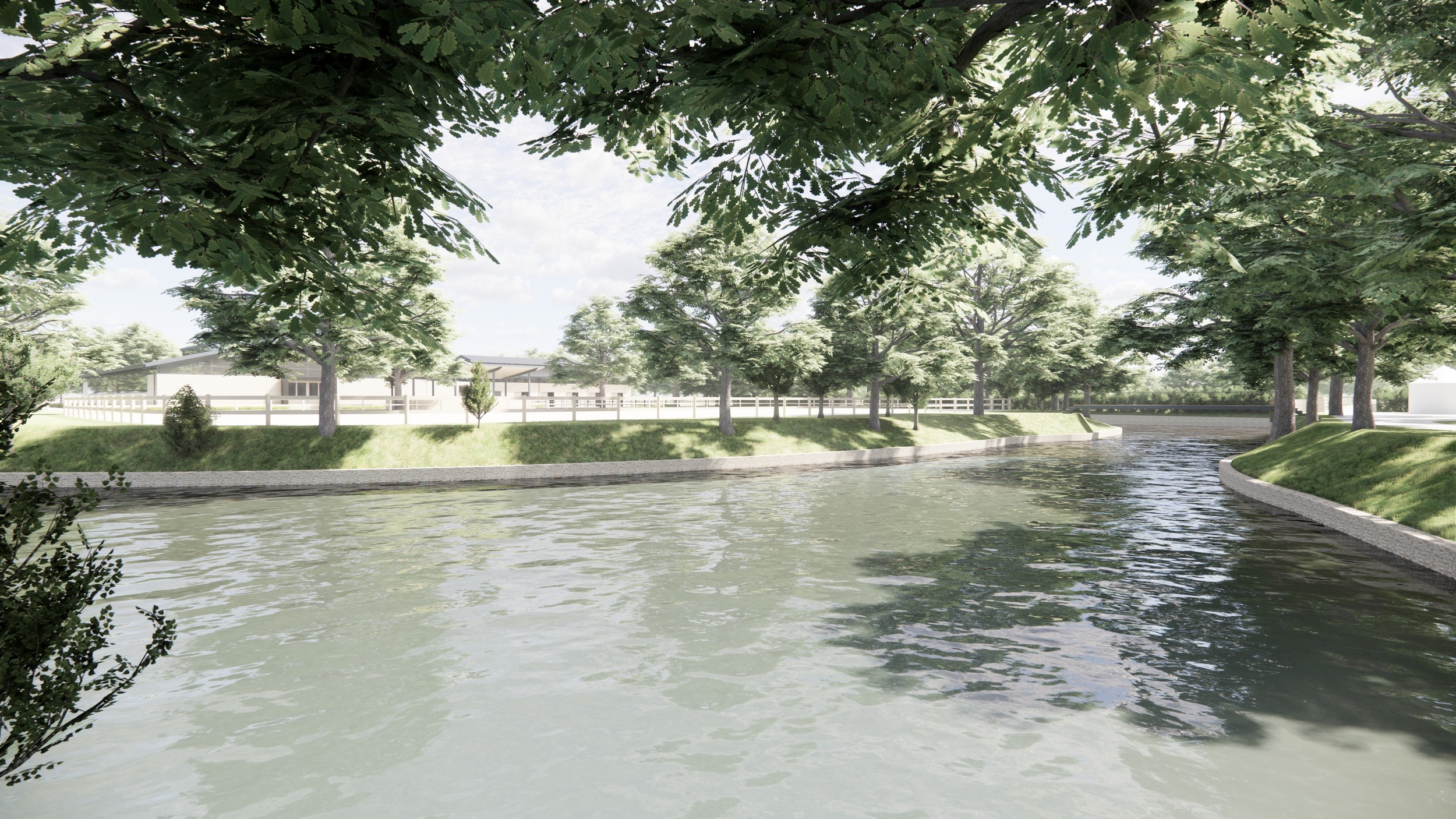
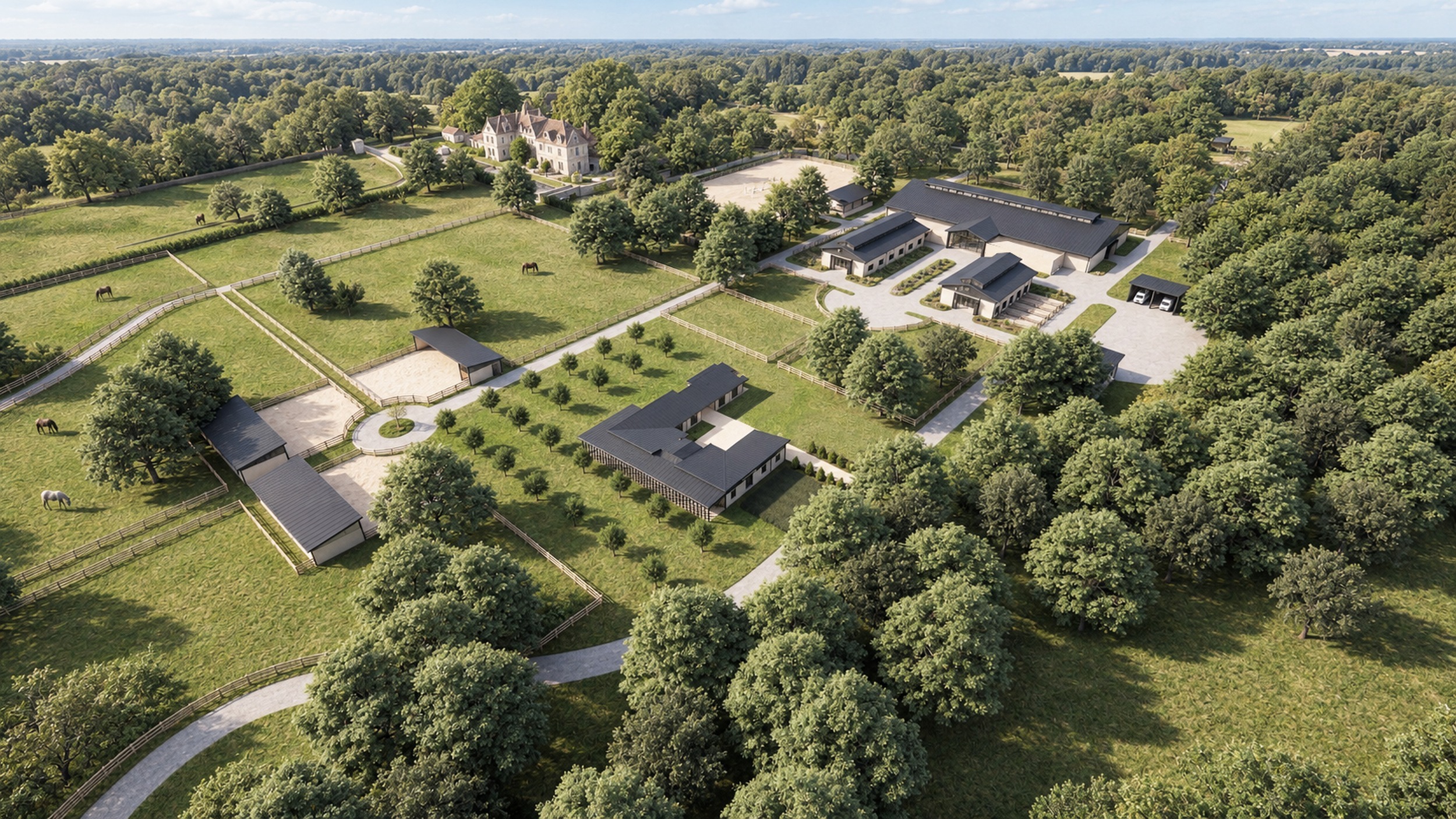
The Haras du Fresnoy is set within an eleven-hectare estate, in a landscape where forest, meadows and the an eighteenth-century château already form an architecture in their own right. Rather than imposing itself on its surroundings, the project extends the existing lines of the estate, settles among the trees and follows its established paths to shape a new geography for the site.
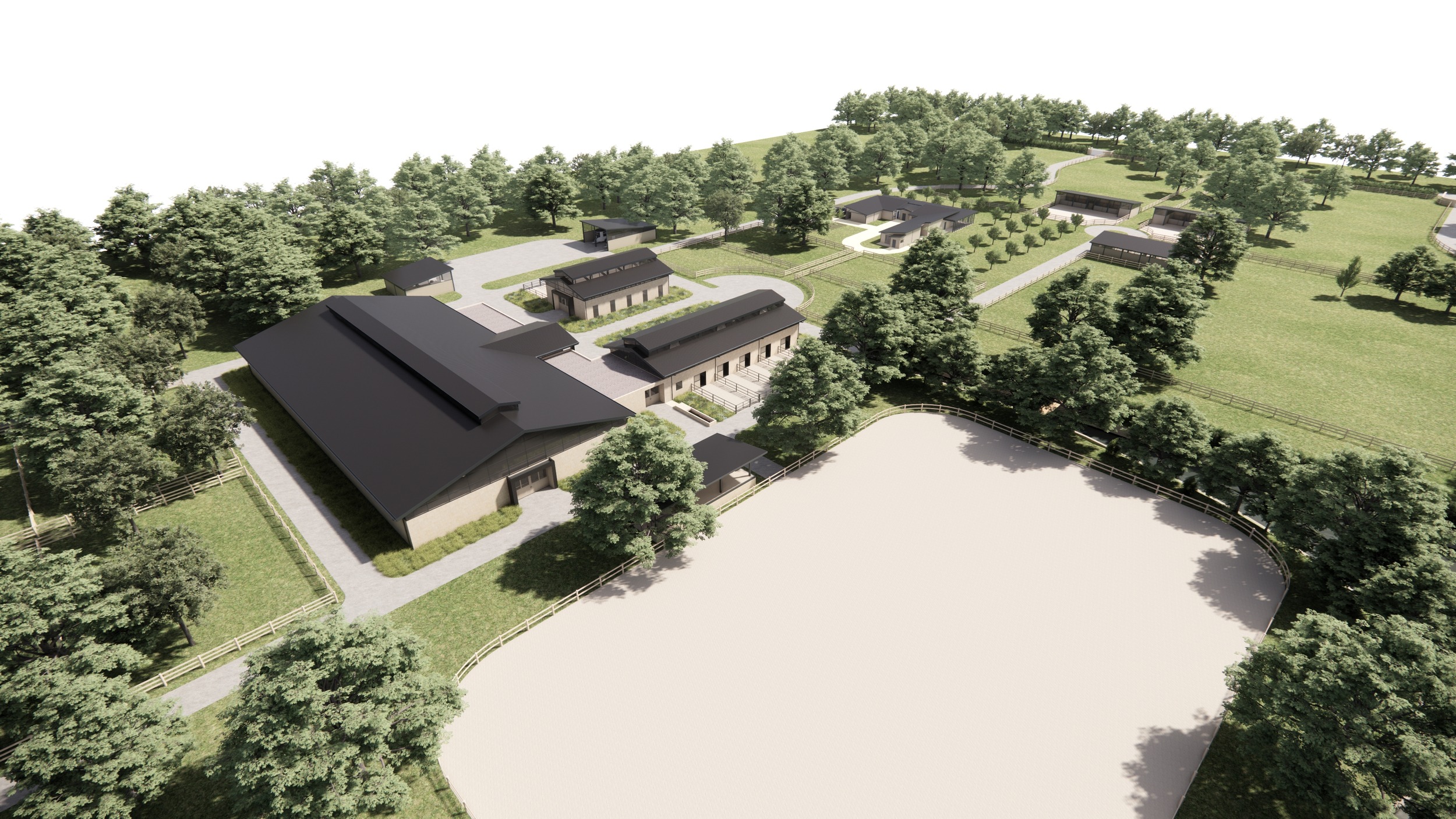
Conceived as a place where life is centered around the horse, the stud brings together several worlds: breeding, competition, training, care and, further afield, retirement. Each has its own place and autonomy, while remaining part of a single landscape. Two main axes structure the estate, organise movement and create a succession of views across the buildings, paddocks and vegetation. Although ambitious in scale, the project is guided by simplicity: short and legible routes, a natural separation of uses and a constant connection with the outdoors.
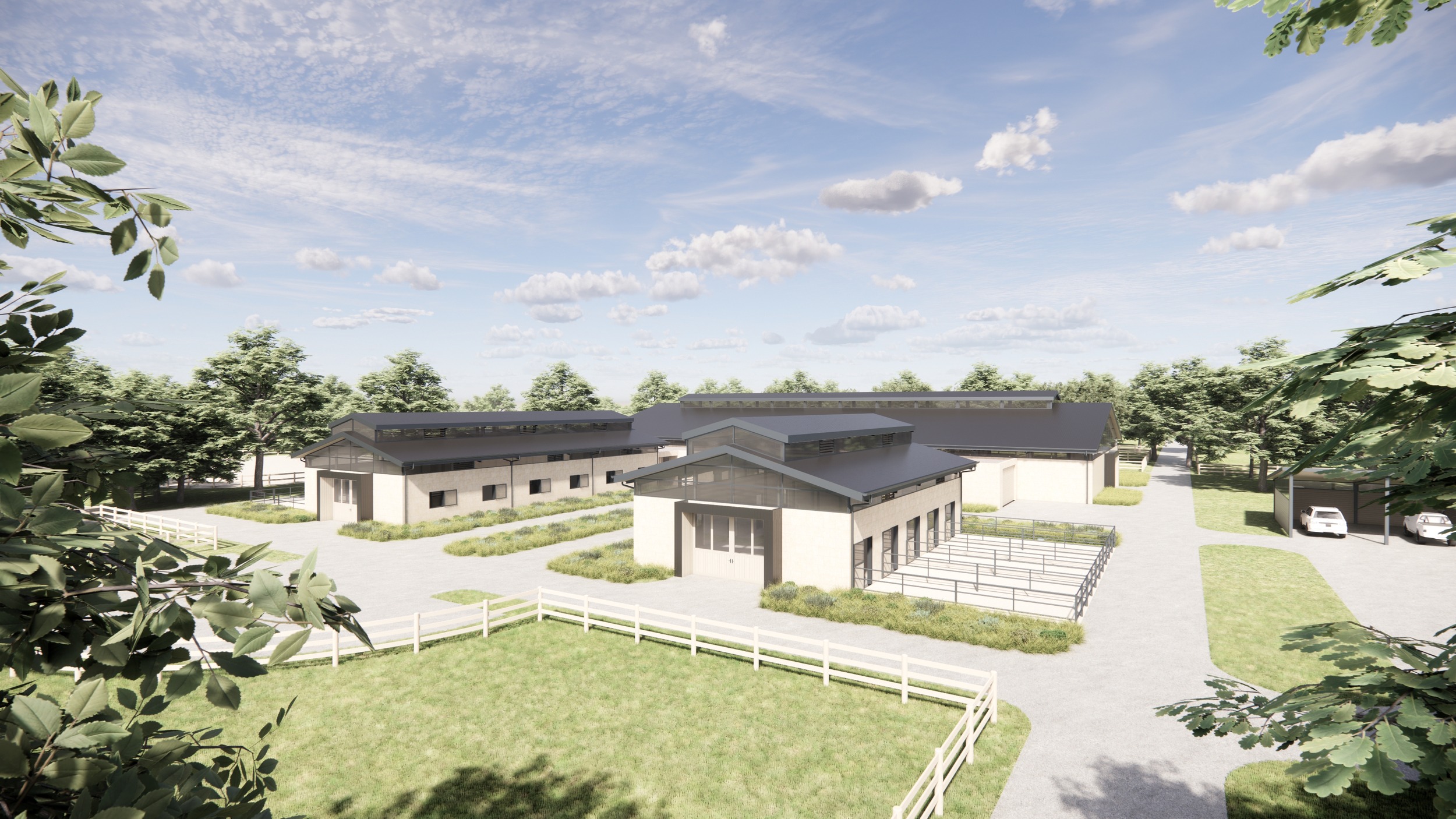
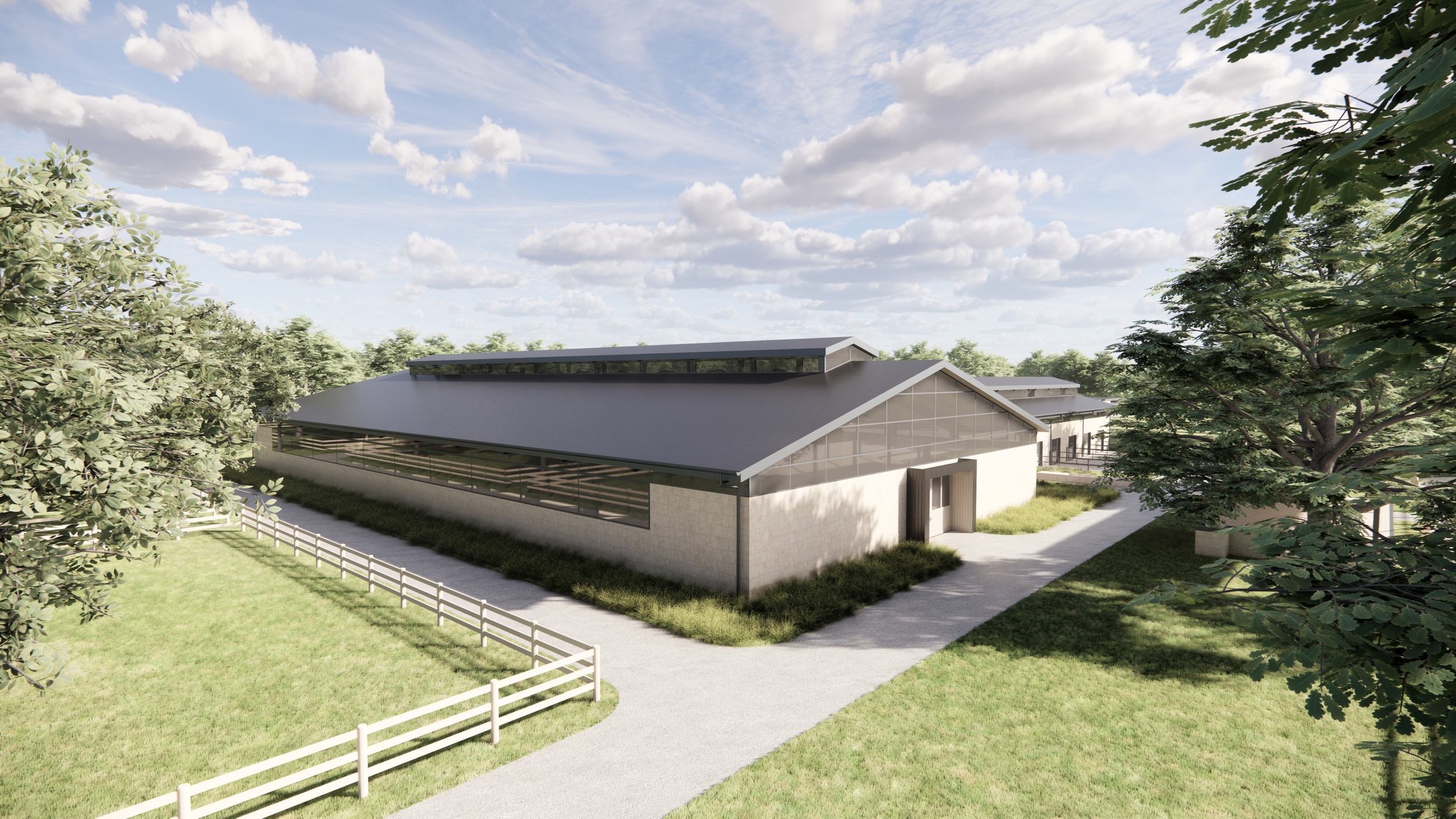
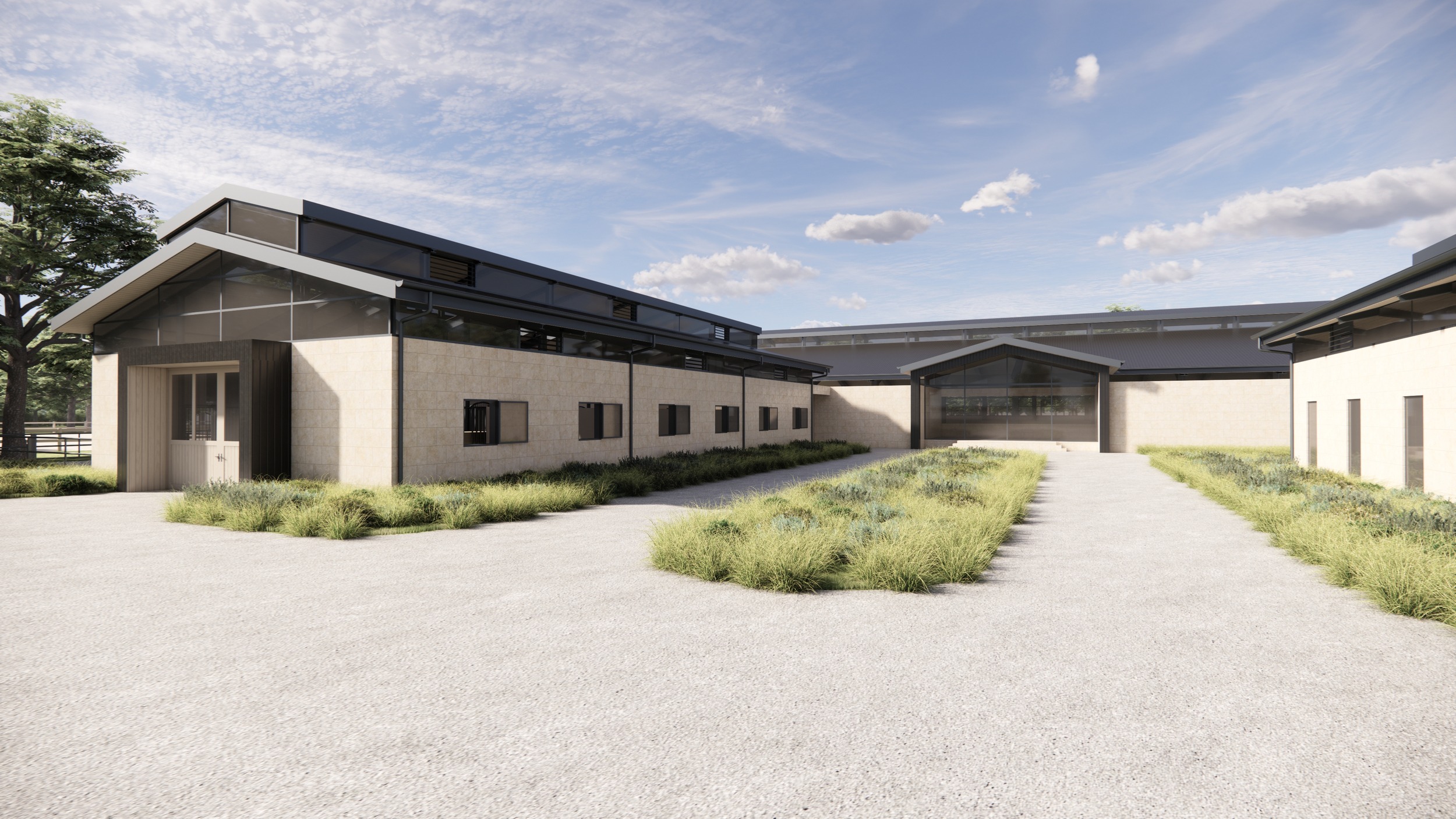
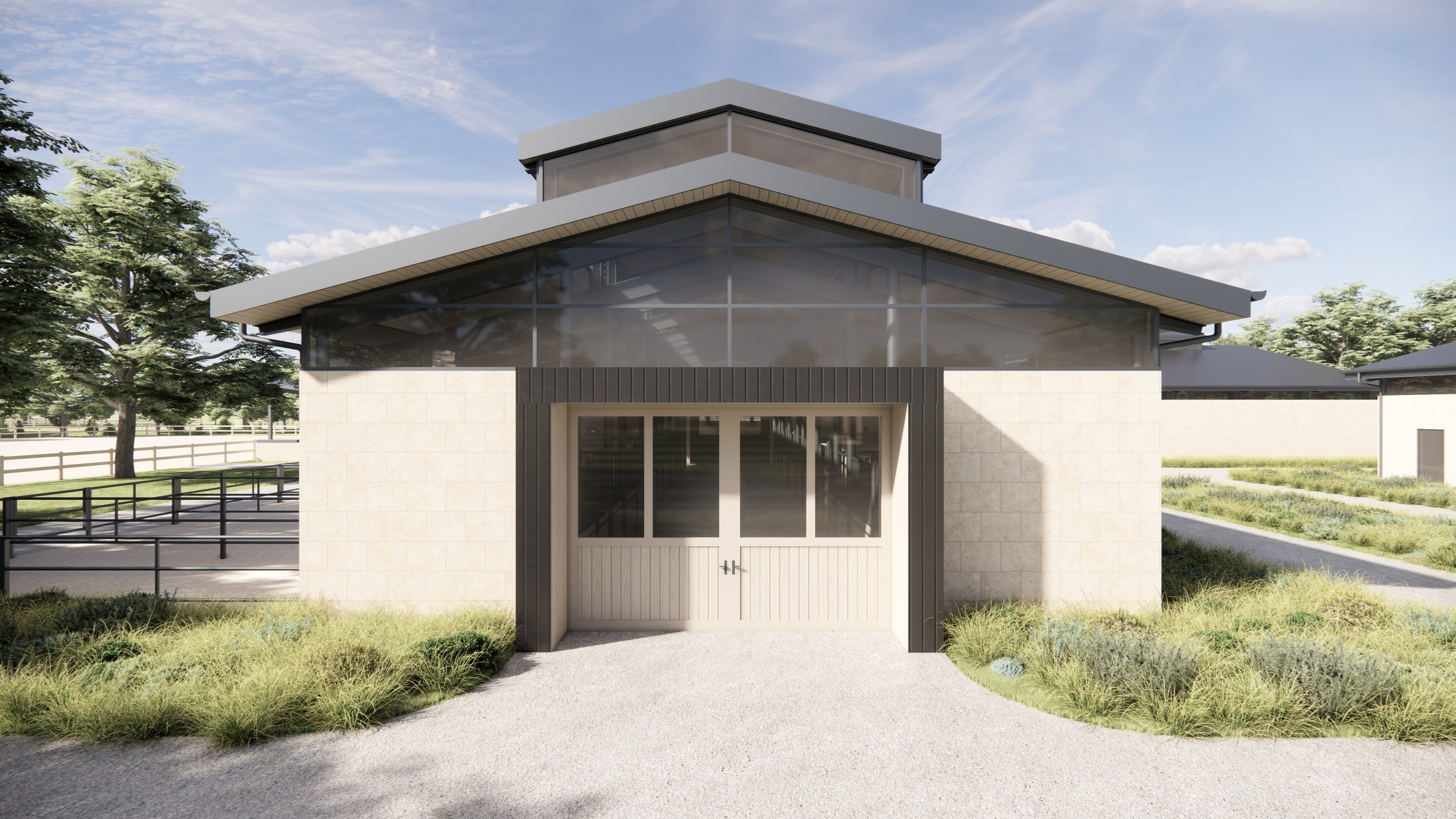
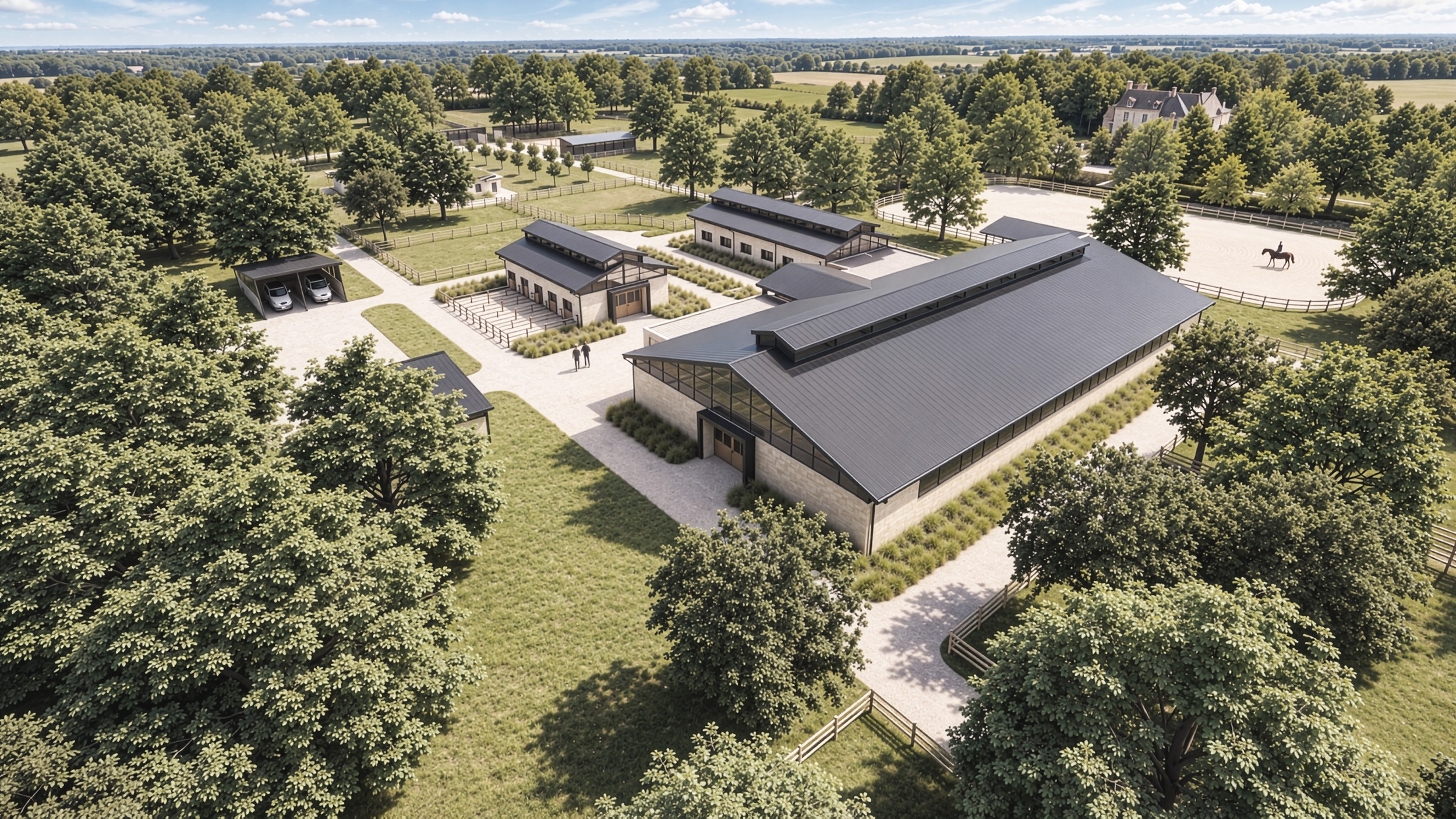
At its centre, the competition stables, indoor arena and equine hydrotherapy centre form the heart of the estate. A formal entrance courtyard shapes the arrival sequence and leads to the clubhouse, which opens generously onto the arena. More than a reception space, it becomes a place from which to watch, wait and meet, an intermediate space between the life of the estate and the quieter world of the horses.
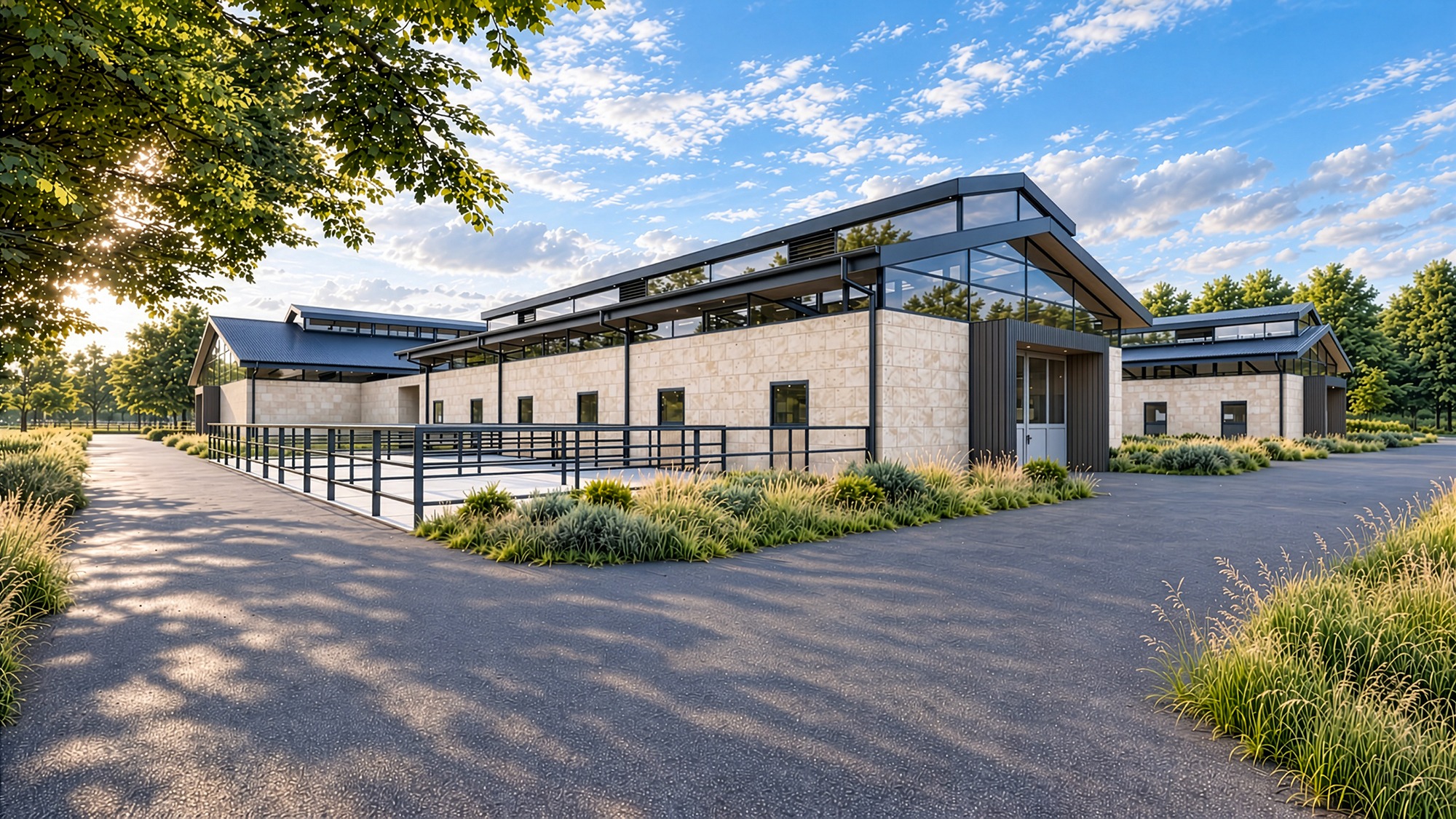
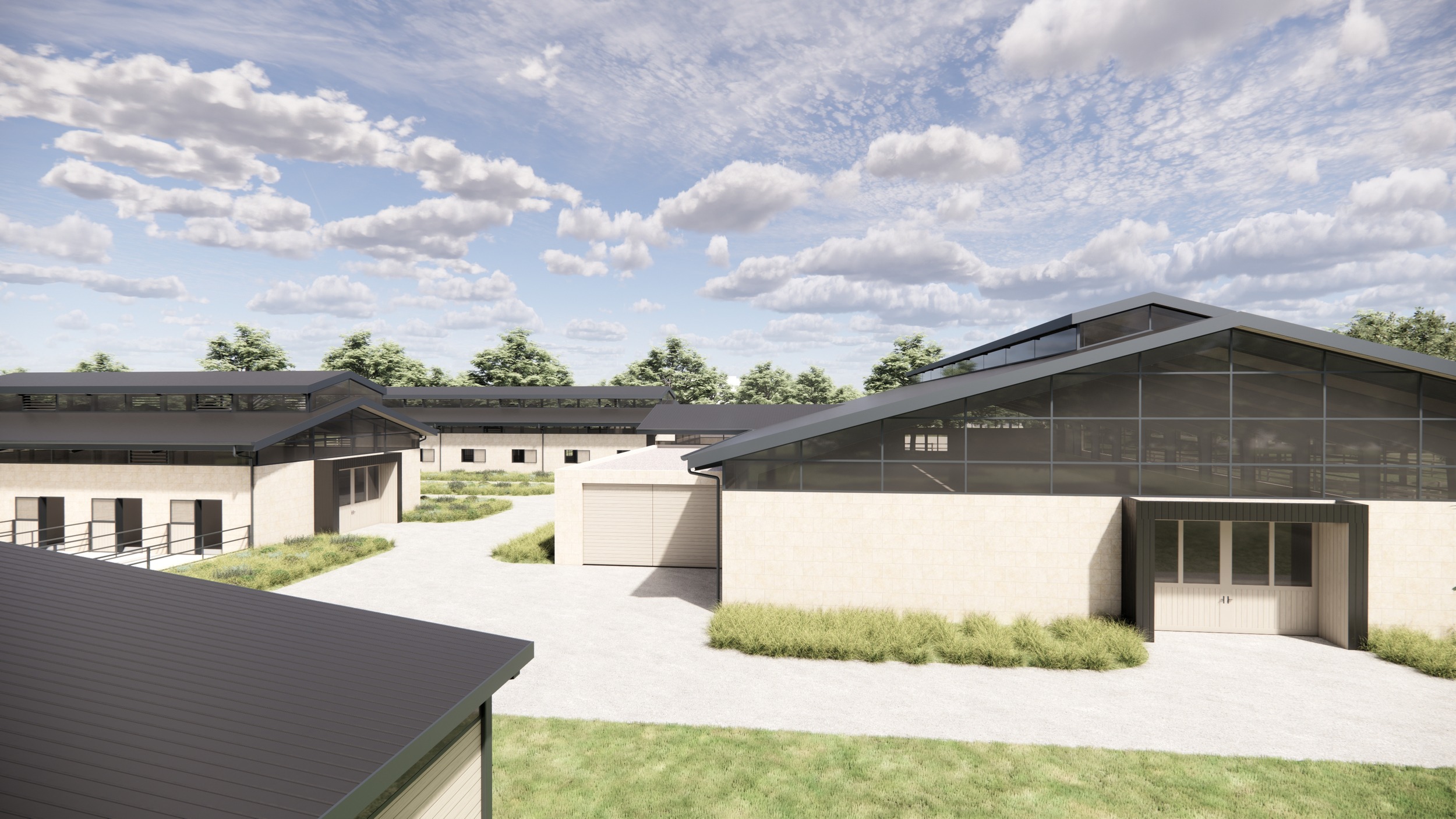
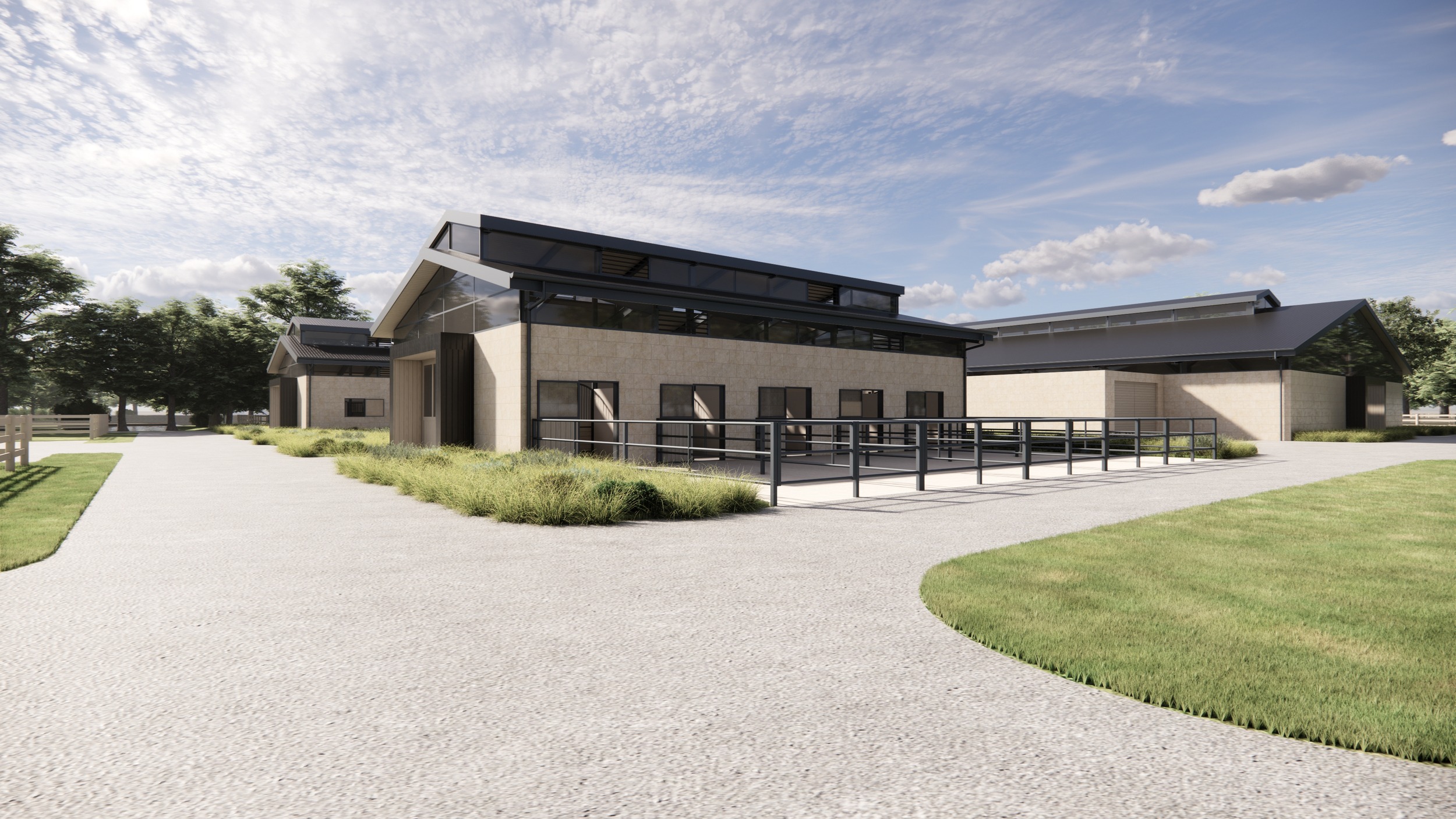
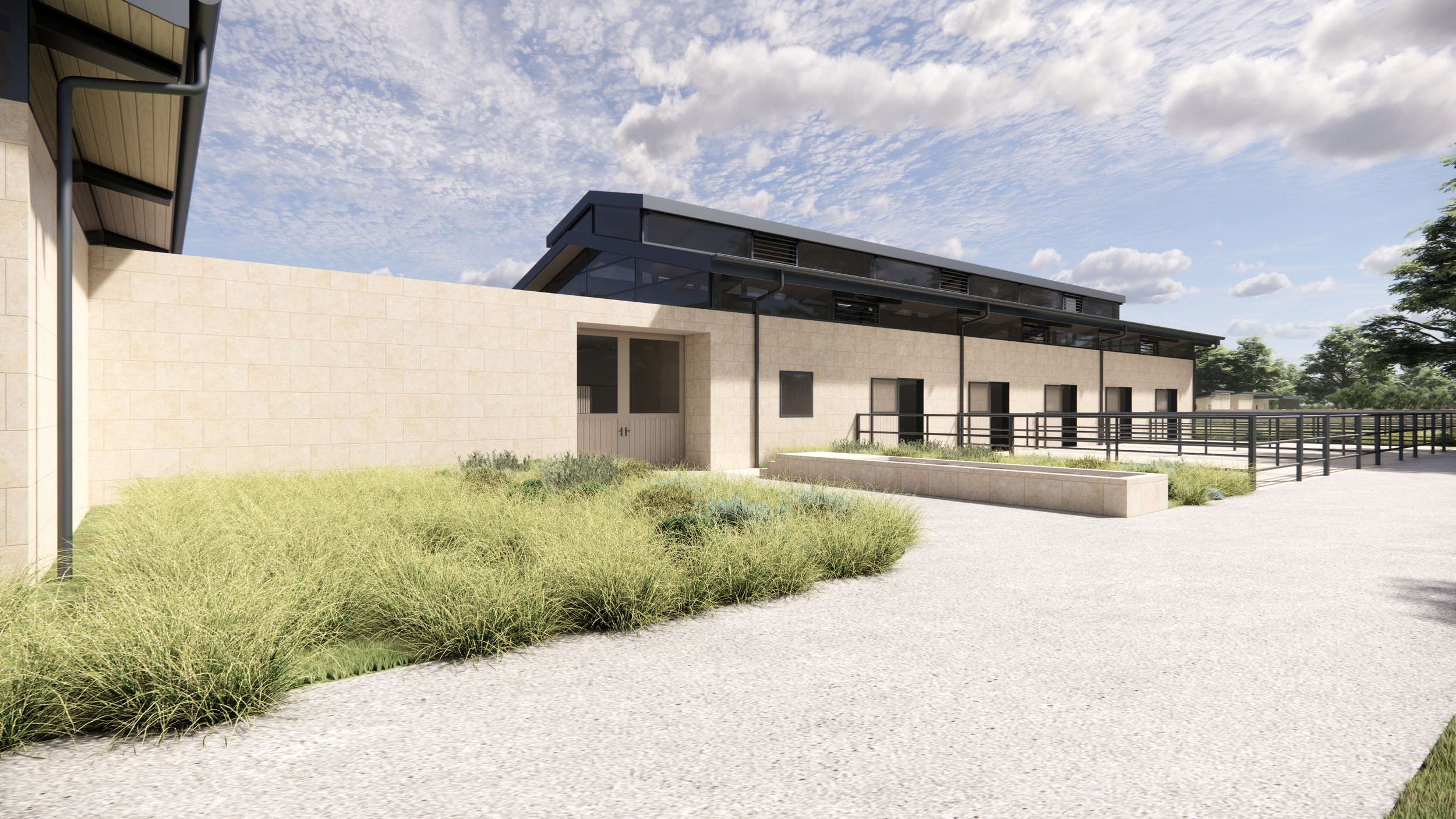
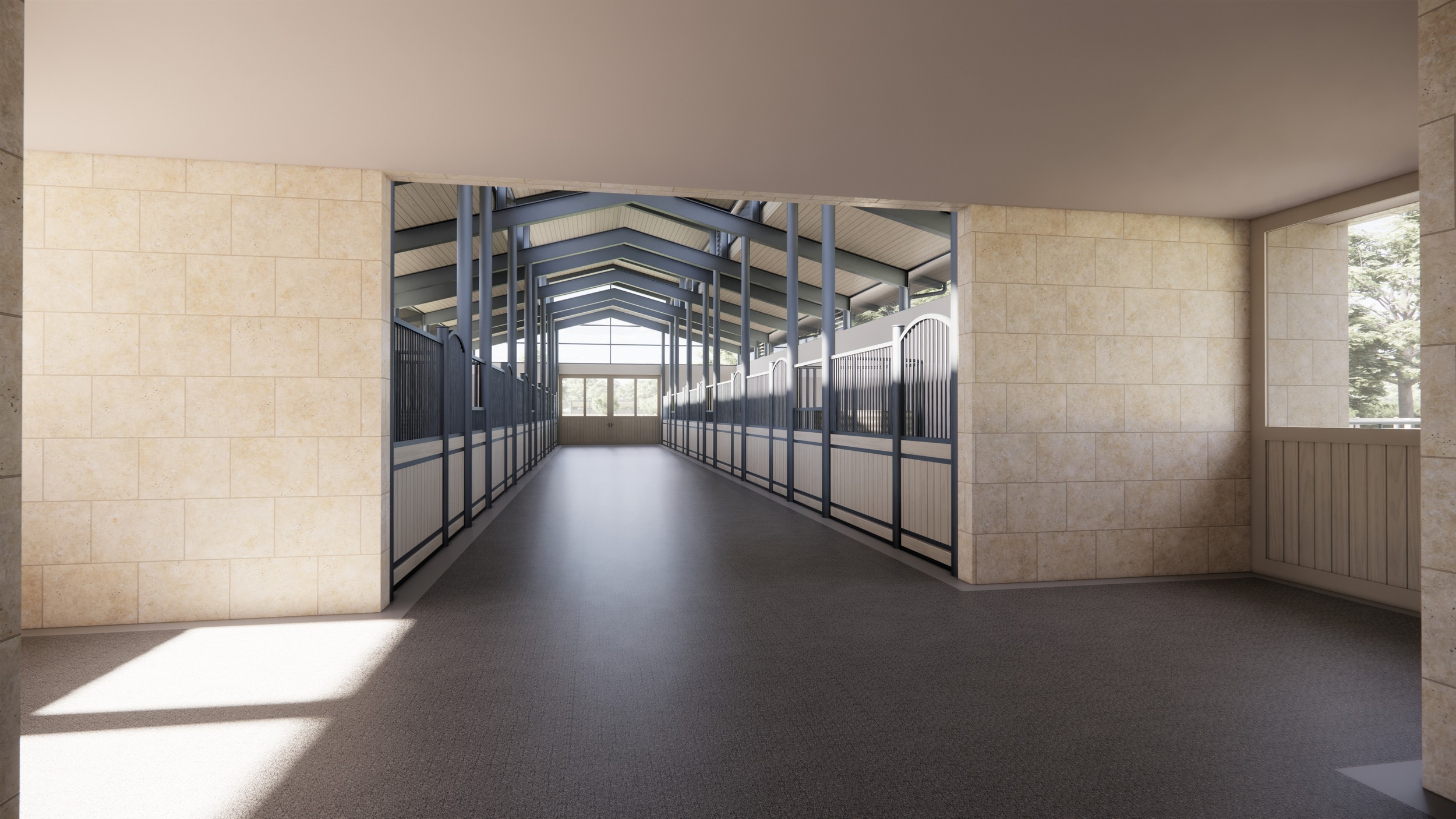
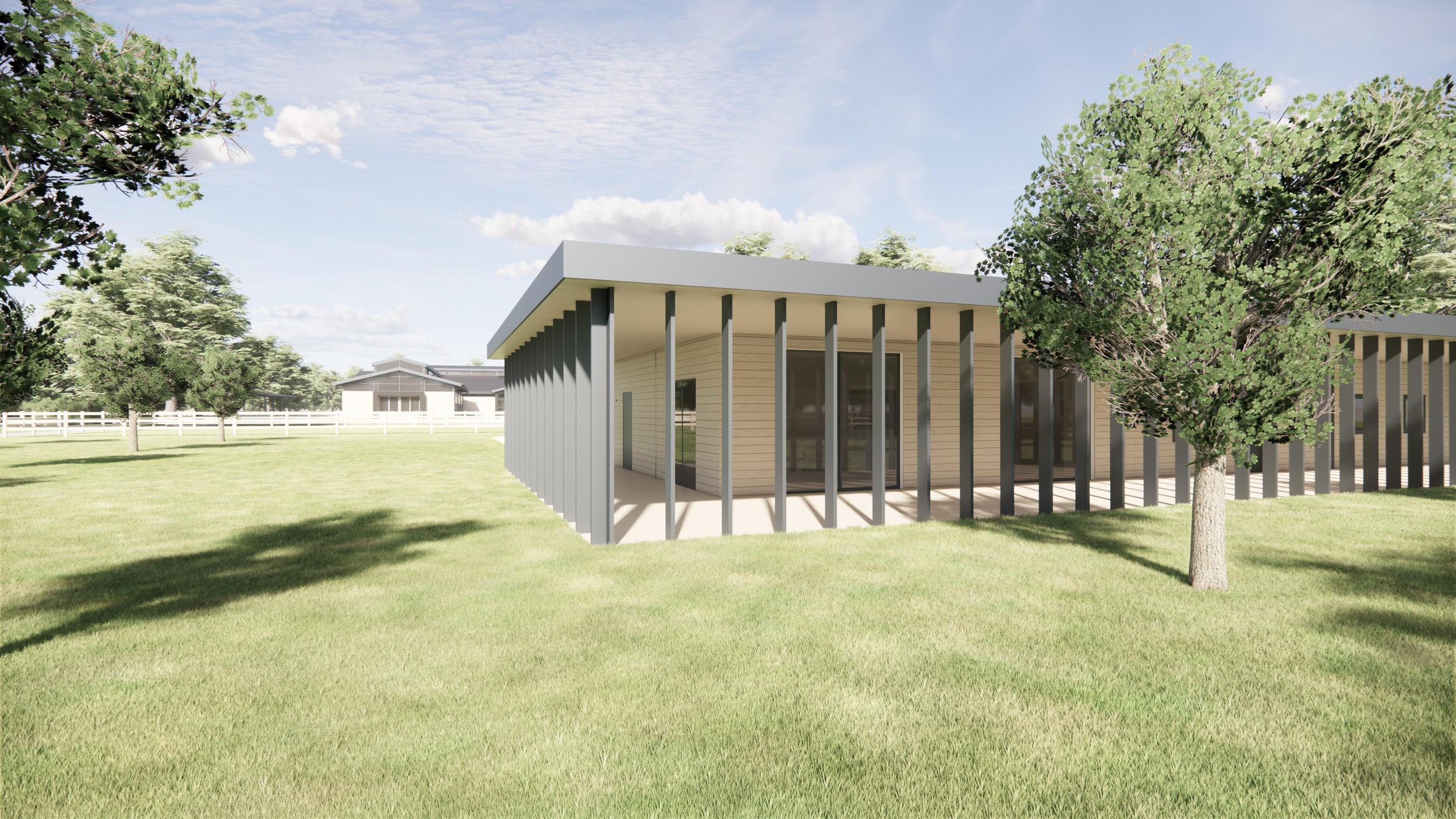
The architecture draws with restraint on the character of the existing estate ; pale stone, timber, ironwork and the ordered composition of its historic buildings ; reinterpreting these elements through a contemporary language of broad roofs, dark structures and transparency. The volumes are simple and open generously to air and light. Nothing is purely decorative: form arises from use and from the comfort, well-being and safety of the horse.
Ultimately, the project is less about creating a collection of buildings than an inhabited landscape: a place where architecture and nature respond to one another, where everyday routines become intuitive, and where the quality of life offered to the horses and those who care for them comes to shape the spaces themselves.